You expect your new dental implants to be a permanent, rock-solid part of your mouth.
But what happens if you feel a slight shift, or if microscopic movements are occurring beneath the surface?
For most patients, the answer is reassuring, but for dental professionals managing complex full-arch cases, the science behind implant micro-movements has serious implications for long-term success.
In this article, we share direct insights from Rob Waters (owner and founder of Watersedge Dental Laboratory) and Shawn Parisien, Laboratory Manager from the Watersedge team.
Further, we tackle what implant micro-movements really are, how to distinguish between a loose crown and a failing implant, and how precision-driven workflows like photogrammetry help prevent long-term complications.
- What Are Dental Implant Micro-Movements?
- The Crown vs. The Implant: What Is Actually Moving?
- Common Causes of Detrimental Implant Movement
- How Precision Technology Prevents Tension and Movement
- Why Full-Arch Cases Require Two Scans
- Why Dental Professionals Should Switch to Photogrammetry
What Are Dental Implant Micro-Movements?
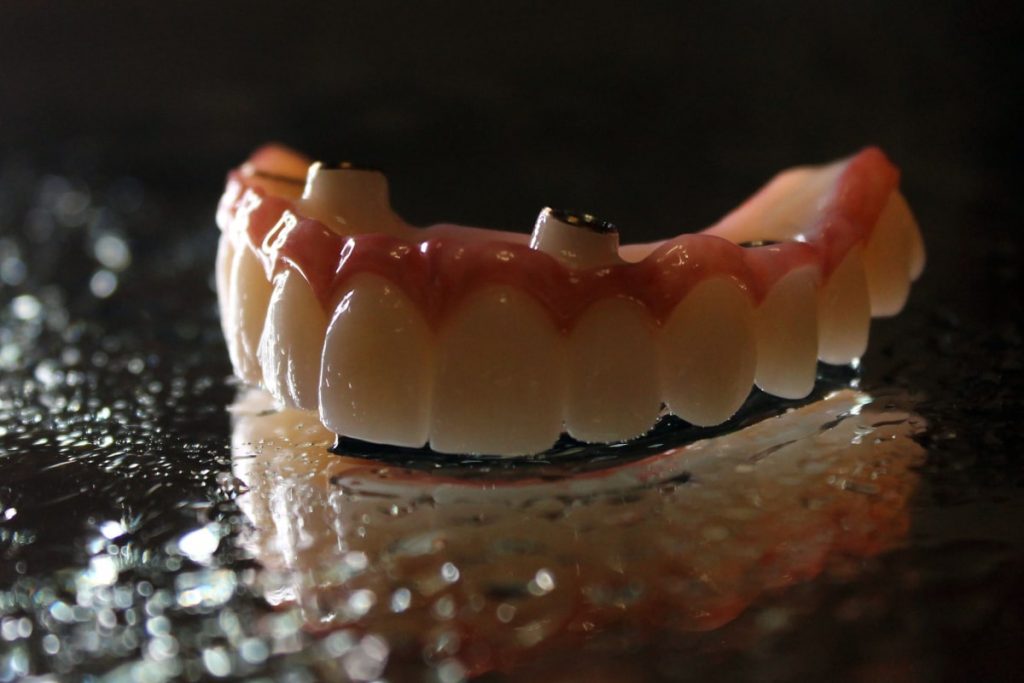
Dental implants don’t behave like natural teeth. Instead of being supported by ligaments, they fuse directly to the bone through a process called osseointegration.
While they feel completely solid, extremely small movements (measured in microns) can still occur as the bone heals and adapts around the implant. These micro-movements are normal within a safe range, but excessive movement can interfere with long-term stability.
For decades, dental professionals were taught that once osseointegration occurred, implants simply did not move. However, advanced photogrammetry technology has debunked this long-held assumption.
Rob explains that photogrammetry’s precision has revealed very slight implant movements, measured in microns, that occur as implants integrate with the bone.
According to an article in the Journal of Dental Pathology and Medicine, this movement (called “micromotion”) is the minimal displacement of an implant body relative to the surrounding tissue, but unrecognizable to the naked eye.
Waters says, “It left me gobsmacked… Something I knew so solidly for 35 years turned out to be debunked by photogrammetry’s ability to measure the changes from the day of surgery through to when the final restoration is being delivered, and there’s some microns of movement there .”
The Crown vs. The Implant: What Is Actually Moving?
If you feel something shifting in your mouth… take a breath.
Before assuming the worst, the sensation of movement is likely due to a loosened crown or abutment screw, not the implant itself. This is a straightforward fix: your dentist can retighten or replace the component without affecting the implant.
However, if the implant post itself is shifting significantly, that signals a more serious problem, typically a failure in osseointegration or progressive bone loss around the implant body.
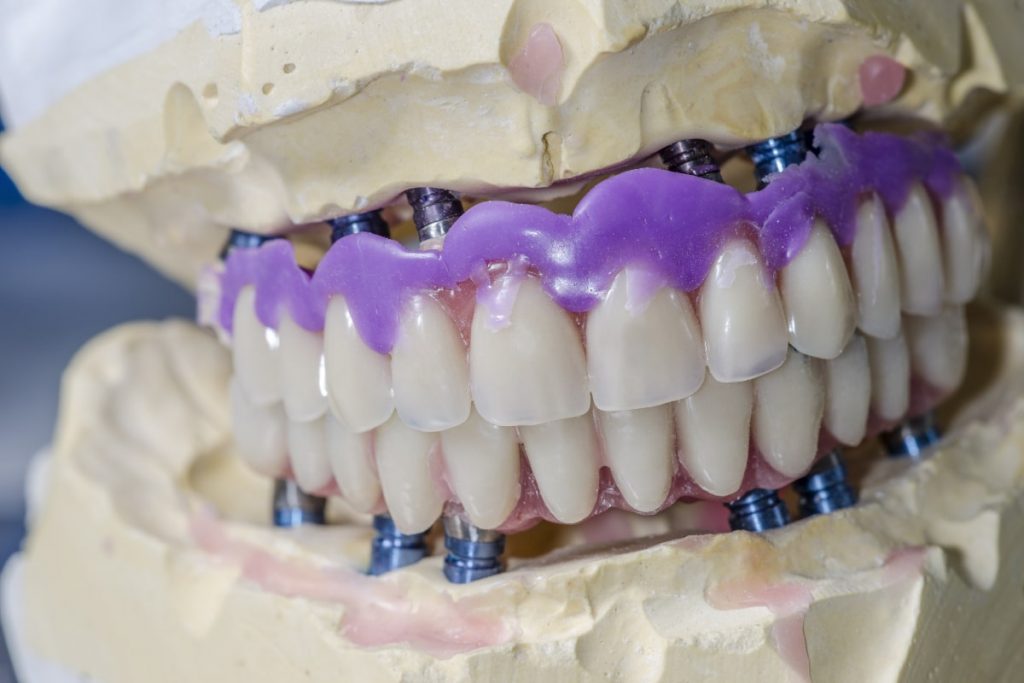
In full-arch cases, multi-unit abutments (MUAs) are placed on top of the implants to bring the restorative platform closer to tissue level and help distribute occlusal (biting) forces throughout the entire structure, adding an important layer of stability.
Common Causes of Detrimental Implant Movement
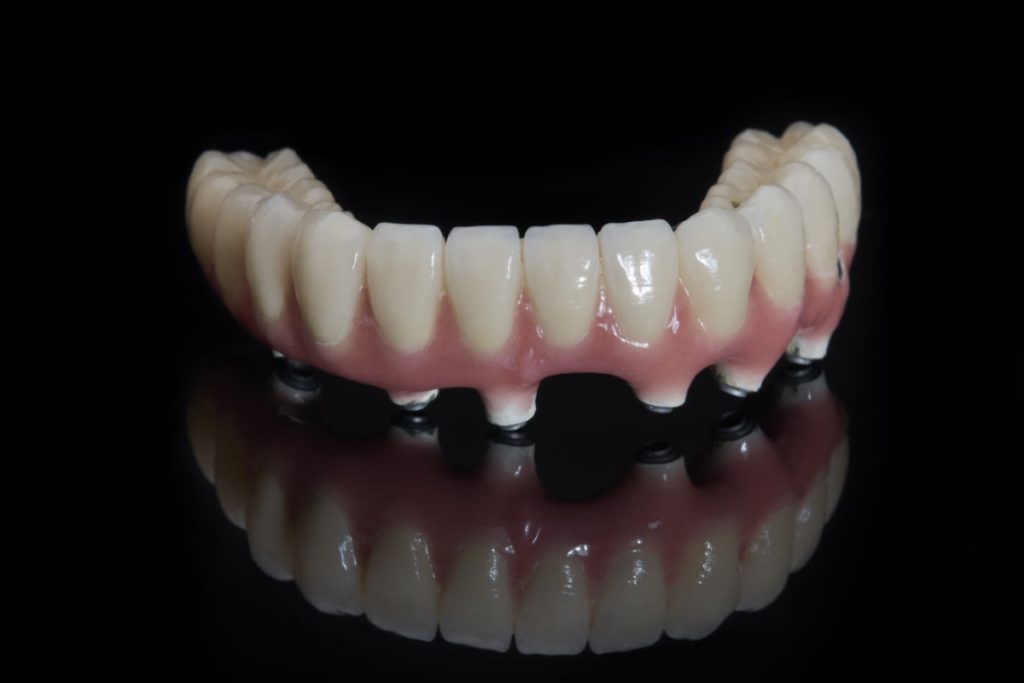
One important difference between implants and natural teeth is that implants don’t have nerves. This means problems like excess tension or bone stress can develop silently, often without pain, until more serious complications appear months later.
Several clinical factors can push micro-movements beyond the safe threshold, which research suggests lies between 50 and 150 microns.
Bruxism
Teeth grinding or clenching is a well-documented risk factor. Research by Glauser and colleagues found that patients with bruxism experience implant failure rates significantly higher (41%) than those without parafunctional habits (12%).
Peri-Implantitis
An infection at the implant site is another leading cause of late-stage failure. Left untreated, the resulting bone loss gradually undermines the implant’s foundation.
Premature or Excessive Loading
When an implant is subjected to functional forces before the bone has had sufficient time to integrate, the resulting micro-motions can exceed tolerable thresholds and prevent proper osseointegration.
Poorly Fitting Restoration
One of the most overlooked causes of implant failure is tension from a poorly fitting restoration.
As Waters explains, if a restoration does not fit passively on the implants and is screwed down regardless, the resulting tension transfers directly to the surrounding bone. Over time, this leads to bone resorption that can go undetected for six to nine months because there is no nerve to signal that something is wrong.
How Precision Technology Prevents Tension and Movement
To prevent this damaging tension, the final restoration must achieve a “passive fit,” meaning it seats on the implants without introducing any stress to the surrounding bone.
This is where the gap between traditional and modern workflows becomes critical.
Shawn Parisien notes that traditional workflows for full-arch implant restorations can result in discrepancies of up to 100 microns between implant positions, whereas photogrammetry reduces this margin of error to approximately 5 microns.
Instead of relying on stitched scans across soft tissue, it records the precise spatial relationship between implants, then combines that data with an intraoral scan.
The result is a highly accurate digital model that allows restorations to fit passively without introducing harmful tension.
Why Full-Arch Cases Require Two Scans
Given that photogrammetry is so precise at the surgical stage, it is reasonable to ask why a second scan is necessary before creating the final restoration.
The answer ties directly back to the micro-movement discussion: because we now know that implants experience micron-level movement during the integration phase, the positions recorded on the day of surgery will not be identical to those months later, when the bone has fully remodelled and matured.
A second photogrammetry scan ensures the definitive prosthesis is fabricated based on the current, stable implant positions, not the original surgical placement.
Why Dental Professionals Should Switch to Photogrammetry
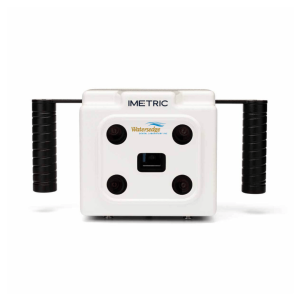
Traditional analog workflows and even standalone intraoral scanning have brought the industry a long way, but photogrammetry represents the new standard of care for full-arch implant cases.
Fewer Appointments
Photogrammetry eliminates the need for a verification jig appointment entirely. So, instead of:
- Fabricating a jig
- Sending it to the clinic
- Booking a try-in
- Repeating the process if it doesn’t fit
You can move directly to final fabrication, resulting in:
- Up to 3 fewer appointments per case
- Significant reduction in chair time
- More availability for revenue-generating procedures (often ~$475/hour)
Better Patient Experience
Patients feel the difference immediately.
- No messy impression “goop”
- Fewer repeat visits
- Less time off work
In many cases, patients can leave with 3D-printed, fixed temporary teeth the same day as surgery, instead of a loose denture.
As Rob Waters explains, reducing treatment from six appointments down to three means the world to the patient.
“They don’t go home frustrated. They don’t go home disappointed. They go home raving about this incredible new technology… that stimulates referrals.”
Cost-Neutral Upgrade for Clinics
Adopting new technology usually raises cost concerns, but this is actually where photogrammetry stands out.
At Watersedge, the workflow is designed to offset the costs it replaces, including:
- Analog impression materials
- Verification jigs
- Additional appointments
The result is a more accurate, efficient workflow with little to no added cost to the treatment plan.
Elevate Your Practice and Protect Your Patients
Micro-movements and tension from poorly fitting structures are among the leading causes of long-term implant failure, and they are largely preventable.
Photogrammetry solves this by delivering a tension-free, passive fit from day one, protecting both the implant investment and your patient’s quality of life.
If you are planning a full-arch implant case and want to explore how photogrammetry can improve accuracy, reduce appointments, and support predictable outcomes, contact us today.